James Serra on What It Takes to Make Data AI-Ready
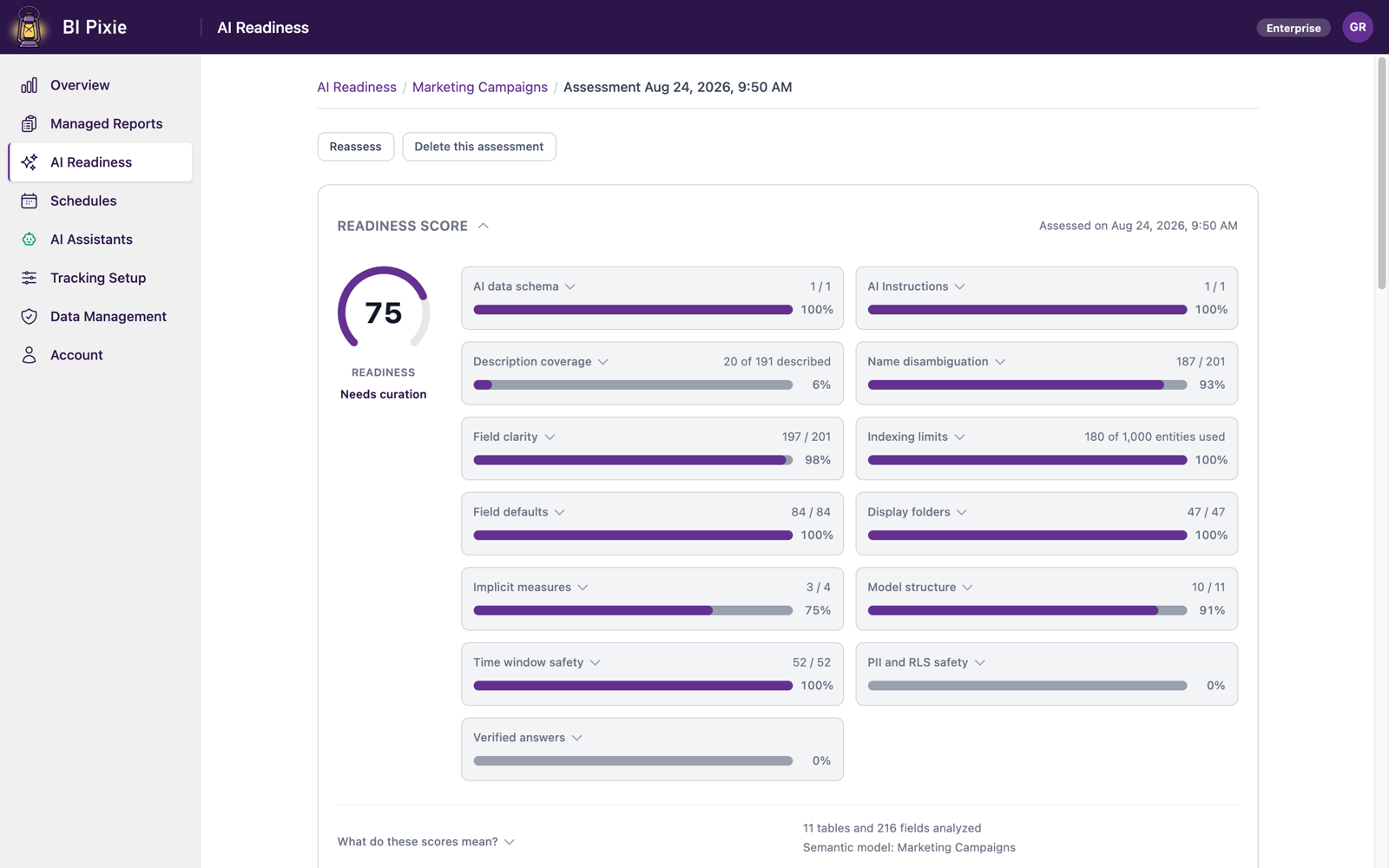
James Serra, a solution architect at Microsoft and the author of Deciphering Data Architectures, has written a three-part series on making data ready for AI. It is the clearest survey of the Microsoft tools we have read, and one of its sections looks at BI Pixie.
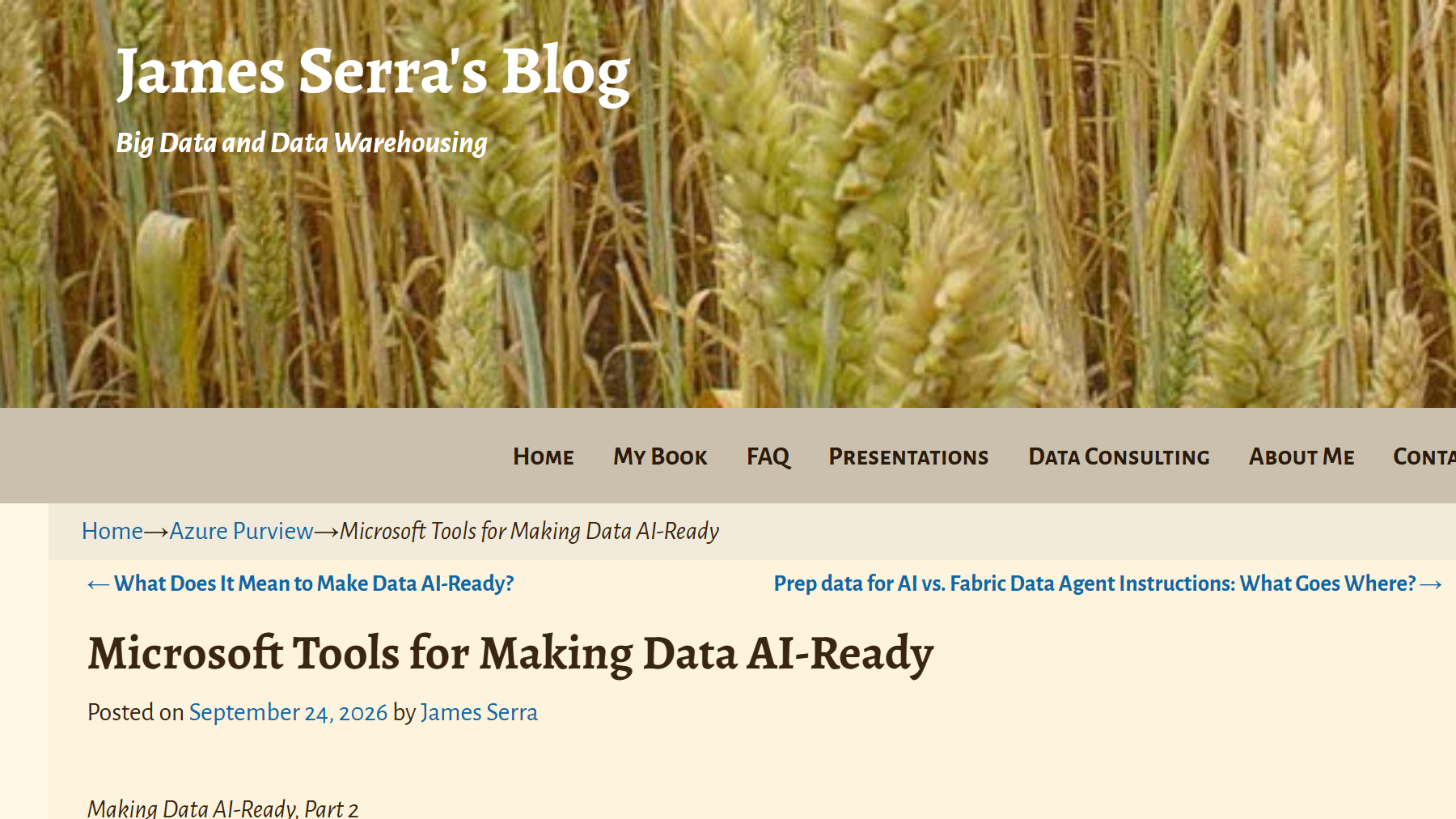
James Serra works at Microsoft as a big data and data warehousing solution architect. He is the author of Deciphering Data Architectures, a prior SQL Server MVP with over 40 years of IT experience, and a regular speaker at events such as PASS Summit and SQLBits. He has just finished a three-part series on jamesserra.com about a question a lot of Power BI teams are living with right now: what does it actually take to make data ready for AI?
In the first part, What Does It Mean to Make Data AI-Ready?, he defines the term. In the second, Microsoft Tools for Making Data AI-Ready, he walks through the Microsoft tools, from Dataflow Gen2 and Microsoft Purview to Fabric IQ Ontology, Prep data for AI, and the Fabric data agent. In the third, Prep data for AI vs. Fabric Data Agent Instructions: What Goes Where?, he sorts out which guidance belongs on the semantic model and which belongs on the data agent.
In the second part he gives a short section to BI Pixie, headed “A third-party tool for measuring AI readiness”. He concludes:
The interesting idea here is that AI readiness becomes something you can assess and repeatedly test, rather than simply configuring a few settings and assuming the job is finished.
One observation of our own, which is ours rather than his. Readiness does not hold still. Columns arrive, measures get renamed, and a semantic model that scored well in June can answer differently in October. That is why AI Readiness in BI Pixie assesses a semantic model more than once and keeps the benchmark questions it wrote, so a team can compare one run against the last.
James has been writing about Fabric data agents themselves as well. In Microsoft Fabric Data Agents: Bringing Structured and Unstructured Data Together he goes through the structured and unstructured sources a data agent can draw on, and which capabilities have reached general availability.
His survey of the Microsoft side is the clearest we have read on this subject, and the series is worth the time if your team is deciding where to start. All three parts are on jamesserra.com.
Thank you, James.